Leather Care: How to Make Your Leather Goods Last
In this article
- 1. Why Leather Care Matters More Than You Think
- 2. Leather Maintenance: A Routine That Fits a Busy Life
- 3. How to Clean Leather Without Damaging It
- 4. Conditioning: Feeding the Leather, Not Just Polishing It
- 5. Protecting Leather from Water, Sun, and Bad Storage
- 6. When to Stop Home Care and Bring It In
- Frequently asked questions
A leather bag is not a piece of fabric. It is skin, the top layer of an animal, tanned so it will not rot but still full of the fibers, oils, and grain that made it supple in the first place. That is why leather care is not a luxury for people with too much free time. It decides whether a bag still looks beautiful in twenty years or cracks, fades, and peels after three.
In our atelier in Beringen, Switzerland, we see both outcomes every week. A well-made piece that was never cared for arrives dry and split, and sometimes it has gone too far to save.
A humble piece that was wiped, conditioned, and stored with sense walks in for a small touch-up and leaves looking better than most new bags on a shelf. The cared-for piece wins every time, and the habits behind it are simple. This is what we tell customers who ask how to keep their leather alive.
1. Why Leather Care Matters More Than You Think
Leather is a natural material with two quiet enemies: dryness and neglect. Tanned hide still behaves like skin in one important way. It holds oils that keep it flexible, and those oils leave over time, pulled out by sun, heat, friction, and dry indoor air. When the oils go, the fibers turn brittle, and that is where the real damage begins. A dry corner folds, creases, and finally cracks. A moisturized corner bends and recovers.
We see this most clearly in Switzerland, where winter means heated rooms and summer means strong sun. A bag left on a radiator shelf all winter, or on a dashboard in July, is aging in fast motion. The leather does not fail suddenly. By the time you notice a crack in the strap or flaking along the edge, the fibers underneath have been dry for months.
Leather does forgive some inattention. Most pieces that come to us can still be restored if they are brought in while the damage is on the surface. Regular care will not make a piece look new every day. It keeps the damage from reaching the structure, so the piece never needs a heavy repair in the first place. A few minutes of attention a few times a year costs far less, in time and money, than a restoration.
2. Leather Maintenance: A Routine That Fits a Busy Life
When people hear leather maintenance, they often imagine brushes, balms, and weekends spent at a workbench. The real routine is much smaller, which is why it works. It is a handful of small habits repeated often enough to become automatic.
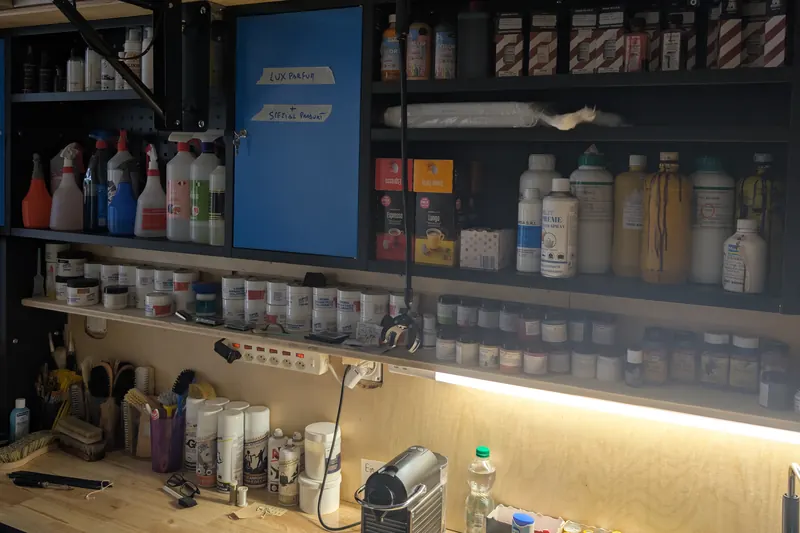
Here is the routine we recommend, and the one we follow on our own pieces. After you use a bag or a pair of shoes, give it a quick brush or a wipe with a soft dry cloth.
This removes the fine dust that acts like sandpaper on the surface and works its way into creases. Then let the piece air for a short while before you put it away. Never store leather damp, and never store it sealed in plastic.
Two or three times a year, condition the leather with a product made for the kind of hide you own. We will come back to how. Frequency matters more than people expect, and more is not better: over-conditioning clogs the pores and can darken the leather. Less than twice a year, and the leather slowly dries out in a climate like ours.
Finally, rotate your pieces. A bag used every single day wears twice as fast as two bags used on alternate days. Leather needs rest to release moisture and recover its shape, much as a good pair of shoes should not be worn two days in a row. These are small things, none of them needs special skill, and taken together they are most of what leather maintenance means.
3. How to Clean Leather Without Damaging It
More leather is ruined during cleaning than anywhere else, because people reach for products that were never meant for hide. The first rule is the least glamorous: dust before you clean. A dry cloth or a soft brush removes the loose dirt first, so you do not grind it into the grain when the cleaning product comes out.
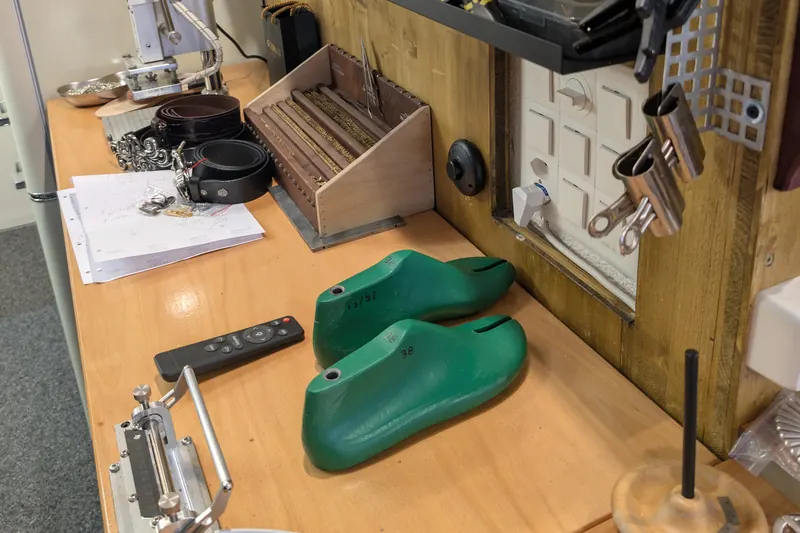
For most smooth leather, a clean, slightly damp cloth and a dedicated leather cleaner are all you need. Use very little product and wipe gently. If the leather is only lightly dirty, a damp cloth alone is often enough. Always test a cleaner in a hidden spot first, such as the inside of a seam or the underside of a strap, and wait for it to dry so you can see whether it changes the color.
Some things should never touch your leather, and we say so because we repair the result. No household detergents. No baby wipes, which contain cleaning agents and moisturizers that sit on the surface and cause dulling and cracking. No hand cream, olive oil, coconut oil, vinegar, or harsh solvents.
These products either strip the natural oils or leave a residue that attracts dirt and rots the stitching over time. A piece of leather is worth a bottle of the right cleaner, which costs little and lasts for years.
Suede and nubuck are a different case. They do not like water, so use a suede brush and, for marks, a dedicated suede eraser or cleaner. Afterward, work the nap gently with the brush so the texture comes back. If a suede piece is heavily soiled, bring it to us rather than experimenting at home.
4. Conditioning: Feeding the Leather, Not Just Polishing It
Polishing and conditioning are different things, and mixing them up is one of the most common mistakes we see. Polish sits on the surface and gives shine. Conditioner sinks into the leather and replaces the oils the material has lost. A piece can look glossy and still be starving underneath, so the conditioning step matters more than the shine.
Conditioner keeps the fibers supple, and supple fibers do not crack. Apply it sparingly. Put a small amount on a soft cloth or on your fingertips and work it into the leather with light circular motions.
Cover the whole surface, but focus on the areas that flex and fold: the base of a strap, the corners of a bag, the creases where a shoe bends. Then let the piece sit for a while, wipe away any excess that has not absorbed, and buff with a clean cloth.
How often? Two to four times a year is right for most smooth leather in our climate. Dry indoor heating and strong sun push you toward the higher end, and leather that already feels stiff and dry may do better with two light applications a few days apart than with one heavy one.
Choose a conditioner suited to the finish. A waxy conditioner is fine for a rugged work bag. Aniline or unfinished leather needs a lighter, non-darkening conditioner, so ask what your piece was tanned with before you buy. If you are unsure, bring it in and we will tell you, free of charge.
5. Protecting Leather from Water, Sun, and Bad Storage
Protection keeps the work of cleaning and conditioning from being undone. Water, sun, and storage are the three factors we correct most often.
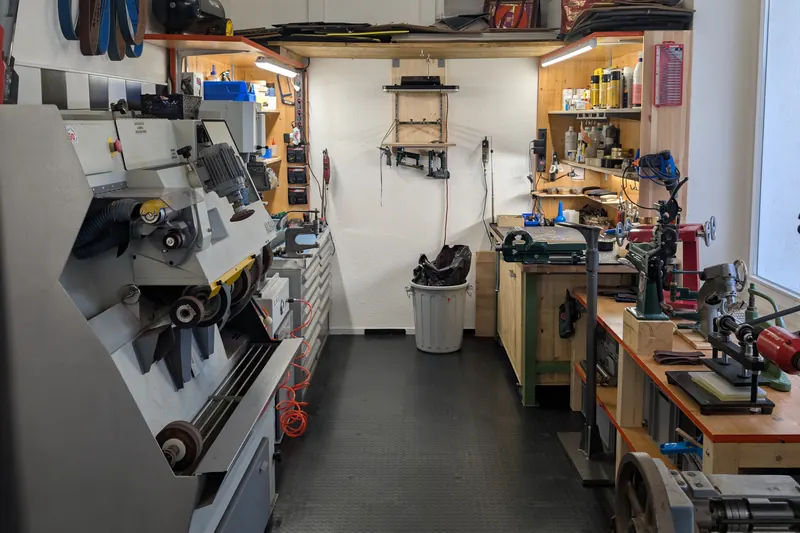
With water, act calmly and never with heat. If a leather piece gets wet, blot it gently with a soft cloth and let it dry naturally at room temperature, away from radiators, hair dryers, and direct sunlight.
Rubbing wet leather weakens it, and heat makes it stiff and shrinks it. Once a smooth leather piece is dry, a light conditioning helps replace what the water drew out. Suede and nubuck can be protected in advance with a waterproofing spray, reapplied after each deep clean.
Sun is a slow but relentless enemy. It fades color and dries the fibers, and the fading is uneven, which is why a bag left in a window shows a pale front and a dark back. Keep leather out of direct sunlight, both in use and in storage.
Storage is where most long-term damage is quietly done. Keep bags in a breathable dust bag or a pillowcase, never in plastic, which traps moisture and promotes mold. Stuff them lightly with acid-free paper so they hold their shape without stretching. Stand shoes on cedar shoe trees, which absorb moisture and keep the shape, and store belts flat or rolled without creasing them.
One habit we correct often: do not hang a bag by its handles for months, because the weight slowly pulls the stitching and stretches the leather out of shape.
6. When to Stop Home Care and Bring It In
There is a line between care and repair, and knowing where it sits saves you money. Home care prevents damage. It does not fix damage that has already happened, and pretending otherwise makes things worse.
Bring a piece to us when you see a crack that goes deeper than the surface, a tear, a seam opening, a handle pulling loose, a broken zipper, or a sole worn through. These are structural problems, and no conditioner or polish will close them. The earlier they are caught, the smaller the repair. A single loose stitch caught now is a five-minute fix. A seam left to run becomes a panel replacement.
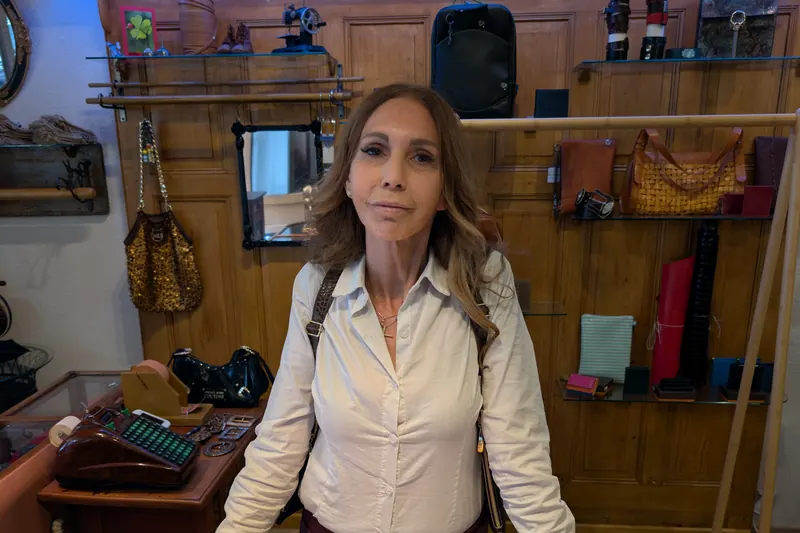
MD LederAtelier was founded in Beringen by owner Mary-Salvatrice Catalfamo, and the bench work is led by master craftsman Domenico Di Cinque. We repair bags, shoes, belts, car seats, and saddlery, and the principle is the same for all of them: fix what is broken, preserve what is still good, and never hide a weak structure under a fresh finish. If a piece is not worth repairing, we say so rather than take your money.
Good leather care is a form of respect for the material, done in small steps: brush off the dust, clean gently with the right product, condition a few times a year, and keep the piece away from water, sun, and bad storage.
If a piece in your care is already past the point where leather care at home helps, send us a message on WhatsApp at +41 76 326 69 99 or use the contact page, and tell us what you have. We will look at it, tell you what it needs, and quote the work before anything begins. Your leather has more years in it than you think.
Frequently asked questions
What should you not use on leather?
Skip household detergents, baby wipes, hand cream, olive oil, coconut oil, vinegar, and harsh solvents. These products either strip the natural oils or leave a residue that attracts dirt and rots the stitching over time. Baby wipes sit on the surface and cause dulling and cracking. A bottle of the right leather cleaner costs little and lasts for years.
How often should you condition leather?
For most smooth leather in our climate, two to four times a year is right. Dry indoor heating and strong sun push you toward the higher end. Leather that already feels stiff and dry may do better with two light applications a few days apart than with one heavy one. Apply it sparingly, then wipe off any excess and buff with a clean cloth.
When should I bring my leather to an atelier instead of caring for it at home?
Bring it in when you see a crack deeper than the surface, a tear, a seam opening, a handle pulling loose, a broken zipper, or a sole worn through. No conditioner or polish closes these. The earlier they are caught, the smaller the repair: a single loose stitch is a five-minute fix. Send us a message on WhatsApp at +41 76 326 69 99 and we will tell you what it needs.
A piece to repair or a custom idea?
Visit us in Beringen or write to us: quotes are free and without obligation.